The One UI 9 Divide: Samsung's Update Strategy Leaves African Markets and Legacy Devices in the Lurch
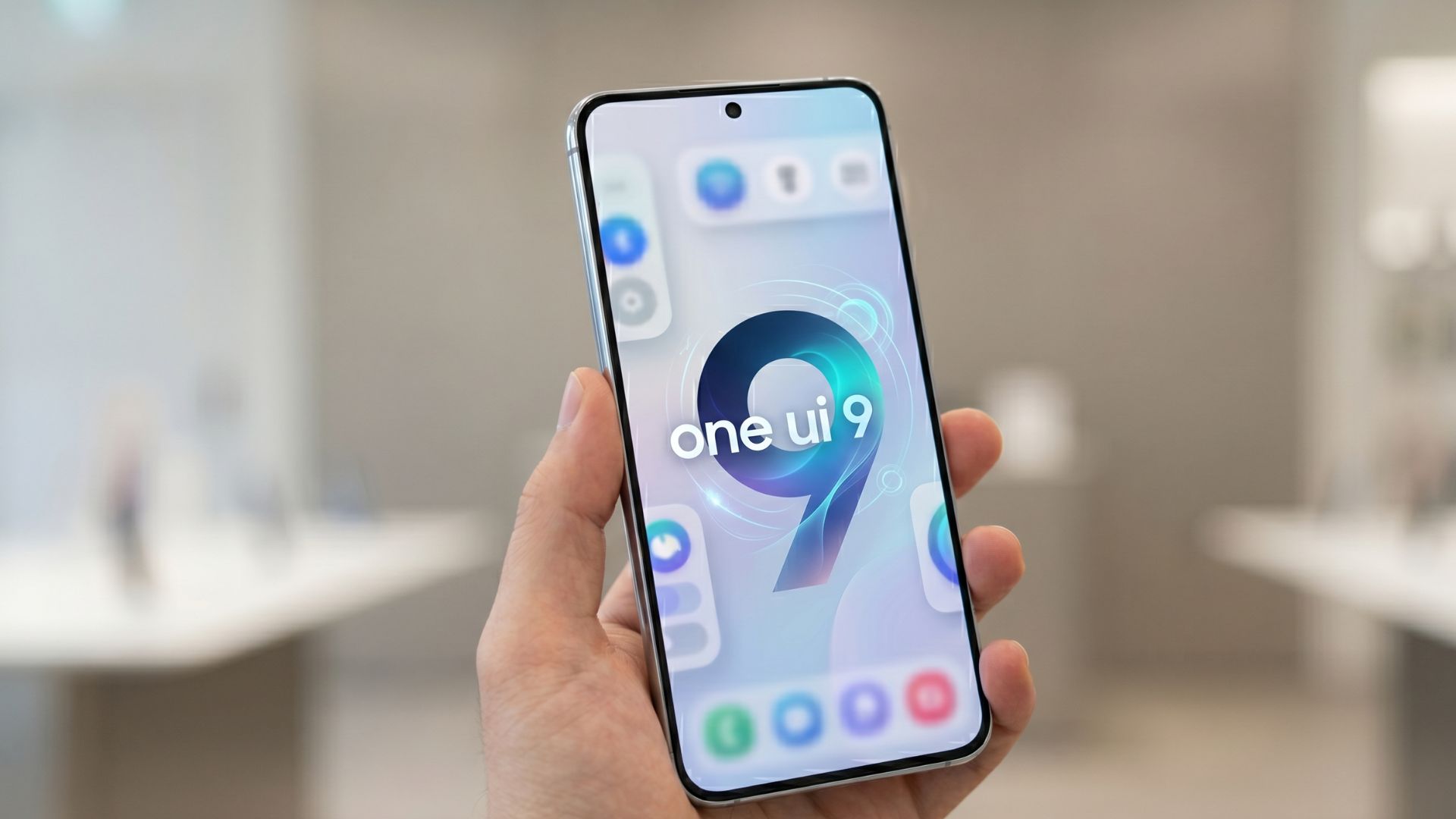
Samsung’s forthcoming One UI 9 software update, built on Android 17, is set to mark a significant moment in the smartphone ecosystem. With its beta program already underway since May 13, 2026, on the Galaxy S26 series, and a stable release anticipated around July 22, 2026, alongside new Galaxy Z Fold 8 and Z Flip 8 launches in London, the update promises a suite of refined features and expanded AI tools. However, this global rollout illuminates a starkly stratified reality for device owners, particularly those in African markets and with specific legacy models.
One UI 9, positioned as a 'refinement release' building on the 'Ambient Design' introduced in One UI 8.5, underscores a strategic shift towards incremental enhancements and the integration of advanced AI capabilities. This isn't a ground-up visual overhaul but rather a deepening of existing functionalities. While the promise of 'expanded AI tools' and 'under-the-hood improvements' will certainly appeal to users of newer Galaxy devices, the timing and eligibility of this rollout reveal a two-tiered approach that warrants closer scrutiny.
Perhaps the most impactful revelation for consumers is the definitive end-of-life for several popular devices. The Galaxy S22 series and the Galaxy S21 FE are explicitly slated *not* to receive One UI 9. This decision stems directly from Samsung's updated policy: the extended '7-year OS update policy' only commenced with the Galaxy S24 series in January 2024. Consequently, the S22 and S21 FE, which fall under the older 4-year update window, have now exhausted their entitlement, with One UI 8.5 (based on Android 16) marking their final major OS update. This creates a clear generational fault line, compelling users of still-capable devices to consider upgrades sooner than they might have anticipated, or risk falling behind on security and feature advancements.

Further compounding these disparities is Samsung's consistent rollout pattern in key regions. The company explicitly states that updates for Africa, including South Africa, typically arrive 'several weeks after the initial release in South Korea, Europe, and the US.' This isn't a new phenomenon, yet it signifies an enduring asymmetry in market prioritization. For economies reliant on mobile technology for commerce, communication, and connectivity, even a delay of 'several weeks' means deferred access to new security patches, performance improvements, and the aforementioned 'expanded AI tools' that could offer competitive advantages or simply enhance daily efficiency.
This tiered deployment, both by device generation and geographical region, signals a calculated approach to managing the lifecycle of Samsung's vast product portfolio. While extending support for newer flagships like the Galaxy S23 series (which is confirmed to receive One UI 9 as its 4th and final major OS update) offers long-term value, the abrupt cutoff for slightly older, yet still prevalent, models like the S22 series sets a firm boundary. For African users, the habitual delay underscores a broader challenge of consistent, equitable access to global technological advancements, impacting everything from enterprise mobility to individual digital engagement. It highlights how device value and user experience are shaped not just by hardware, but by policy decisions on software longevity and regional distribution strategies.
Ultimately, the One UI 9 rollout is more than a simple software update. It's a strategic declaration of Samsung's commitment—and its limitations—across its device ecosystem. It defines who benefits from the latest advancements, who is nudged towards an upgrade cycle, and how regional markets like Kenya are positioned within the global tech hierarchy. The implications extend beyond individual device performance, touching upon consumer expectations, market dynamics, and the subtle yet persistent digital divides that continue to shape technology adoption worldwide.