The Invisible Bill: Measuring the Global Economic Cost of Conflict
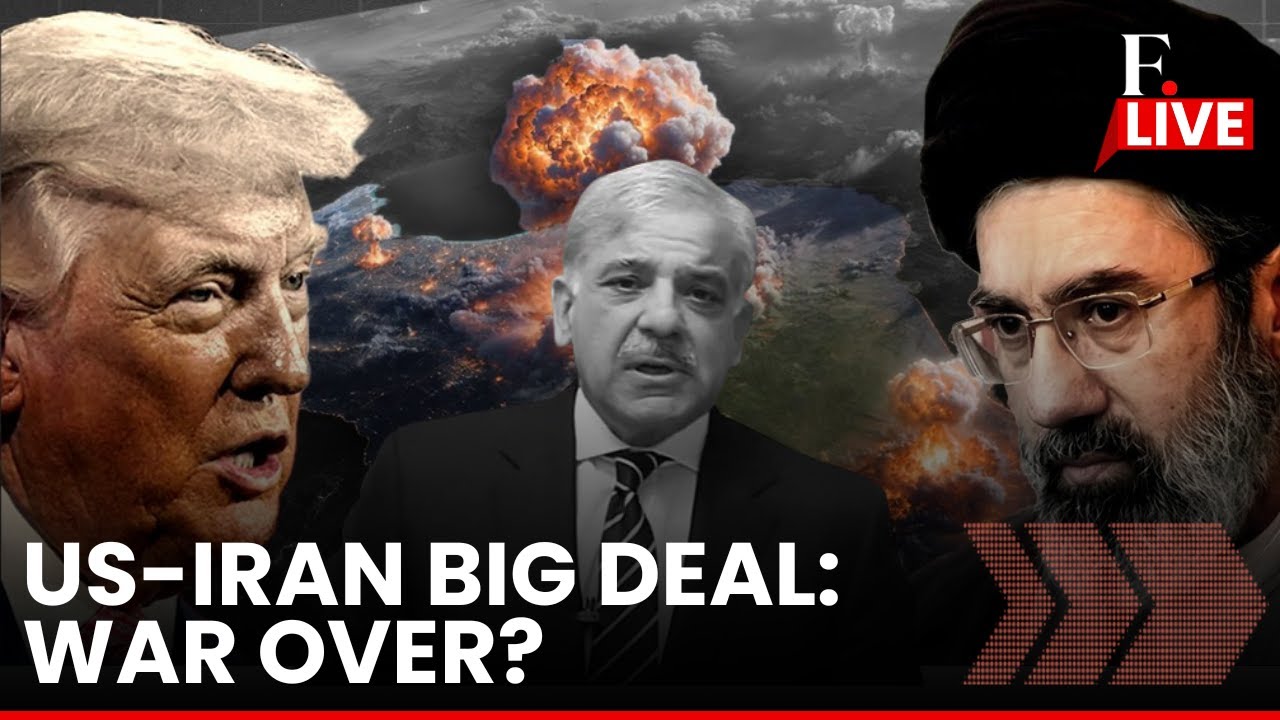
The US-Israel war against Iran has thrust the global economy into a state of profound uncertainty, extracting a severe toll far beyond the immediate battlefields. While thousands of lives have been lost, the broader human cost extends to millions facing steeper food prices and eroding earnings daily, highlighting an economic shock that threatens to plunge vast populations into poverty.
Indeed, the scope of this conflict’s destabilizing effect is quantifiable by more than just immediate casualties and destruction. Economists Dario Caldara and Matteo Iacoviello of the US Federal Reserve, through their index tracking global tension, indicate that the Iran war has been more destabilizing than the Covid-19 pandemic, paralleling the impact of the 2022 invasion of Ukraine or the 2003 invasion of Iraq. This geopolitical risk, a form of unmeasurable uncertainty, is directly stalling investment and employment worldwide, presenting a bill that has yet to be fully accounted for by many.
The direct human toll is stark. According to Iranian authorities, US and Israeli bombings have killed over 3,300 people in Iran and injured more than ten times that number. The infrastructure damage is significant, with 20 schools destroyed, 240 health and medical facilities damaged, and crucial water pipes disrupted. Cultural heritage has also suffered, including five world heritage sites and 54 museums. Meanwhile, in Lebanon, where Israel opened a second front against Hezbollah, attacks have killed more than 3,700 people, including women, children, and medics, displacing over 1 million Lebanese – roughly a fifth of the country’s population. Further casualties include over 100 killed in Iraq, about 50 in Israel, and at least 15 US military personnel dead since the war’s start on 28 February.

Beyond these calculable losses lie the less tangible, yet equally devastating, economic implications. A senior UN aid official framed the conflict’s cost as a colossal opportunity loss: the $2bn (£1.5bn) spent daily on military operations could otherwise fund lifesaving aid for an estimated 87 million people. This figure underscores a profound global misallocation of resources, diverting essential funds from humanitarian needs to military expenditure.
While millions contend with inflationary pressures and reduced purchasing power, a select few are reaping significant financial rewards. The war’s beneficiaries include oil companies and the shareholders of arms manufacturers, a stark contrast to the widespread economic hardship endured by the general populace. This disparity highlights how geopolitical turmoil can create distinct winners and losers, exacerbating global inequalities as the 'final bill' continues to mount for the majority.
The global economy, already navigating a volatile landscape, finds its recovery prospects further clouded by this persistent geopolitical tension. The long-term damage stemming from uncertainty, as the biggest threat to the global economy, is not merely theoretical. It manifests in stalled investment and constrained employment, with ripple effects impacting markets far beyond the immediate conflict zone. This systemic vulnerability underscores the interconnectedness of global peace and economic stability, demonstrating that distant wars often carry a universal price tag.