Sun-Powered Traction: Solarbox Rewrites Senegal's EV Playbook
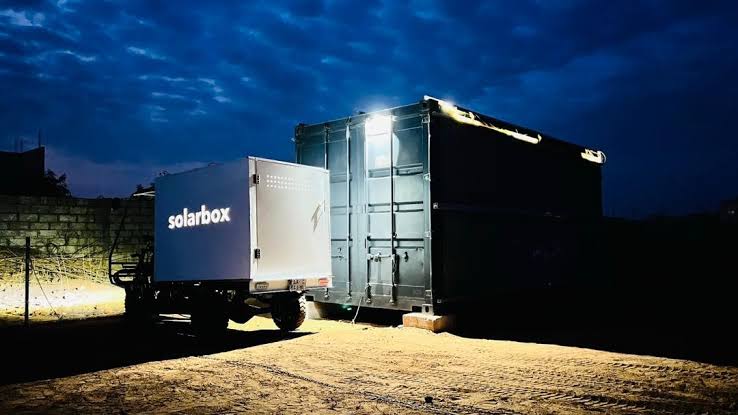
The narrative of electric vehicle (EV) adoption in Francophone Africa often highlights familiar roadblocks: insufficient public policy support, prohibitive import taxes, and limited financing for the informal sector. Yet, amid these persistent challenges, Senegal’s Solarbox has unveiled an approach that is less about navigating existing hurdles and more about redefining the very landscape of EV integration.
Founded in 2022 by Tijan Watt and incubated within Wuri Ventures, Solarbox has positioned itself at the forefront of the electric revolution in the West African Economic and Monetary Union (UEMOA) region. The startup isn't just introducing electric motorcycles, tricycles, and light trucks; it's fundamentally rethinking the energy infrastructure that powers them. According to Watt, Solarbox has directly integrated solar power into its business model, eschewing reliance on an improving national grid or government incentives. This isn't a provisional fix, but a stated long-term vision for the enterprise.
This strategy is particularly salient given Senegal’s current energy profile. In 2024, the nation generated 5.48 terawatt-hours (TWh) of electricity from petroleum products, supplying approximately 65% of its population. Watt champions solar as an underexploited resource that could be key to achieving energy sovereignty, distinguishing it from fossil fuels whose prices are dictated by volatile global commodity markets.

Solarbox's model offers several critical insights. Firstly, it champions a **decentralized, integrated energy solution** that bypasses national grid limitations. By embedding solar charging directly into its ecosystem, Solarbox addresses a core infrastructure deficit head-on, rather than waiting for top-down state-led improvements. This proactive stance provides a blueprint for other African markets grappling with similar grid inefficiencies and high reliance on fossil fuels.
Secondly, the firm's approach implicitly highlights the **gap in policy and financing mechanisms for the informal sector**. The source explicitly notes the economic viability of EVs and existing demand, yet adoption is 'freinée par des obstacles familiers', including 'options de financement limitées pour les opérateurs du secteur informel'. Solarbox's model, particularly with vehicles like tricycles, likely targets this demographic, necessitating innovative internal financing or partnership models to bridge these systemic shortfalls, rather than waiting for state-mandated solutions.
Finally, Solarbox's existence signals a growing trend of **entrepreneurial resilience and innovation** in the face of structural impediments. By not waiting for the grid to improve or for governments to introduce incentives, the startup underscores the private sector's capacity to drive change and create viable markets where traditional infrastructure or policy lags. This signals a strategic shift from dependency to self-sufficiency in pioneering new economic pathways.
This innovative model from Senegal offers a potent perspective for broader African markets. The recurring pattern across Francophone Africa – where EVs make economic sense but adoption is stifled by policy, taxes, and finance – suggests that Solarbox's direct integration of solar could serve as a pragmatic alternative. It's a move towards leveraging indigenous, stable resources for energy security, decoupling from global price volatilities that impact imported fossil fuels.
The struggle for 'informal sector operators' to secure financing for crucial economic tools, as noted in the EV adoption context, mirrors broader systemic gaps across the service economy. These gaps often impede the very service providers that platforms like SErraND | Plug Wa Kazi aim to connect and empower, underscoring the need for innovative financial and infrastructural support that extends beyond direct policy to enable technological leapfrogging.
Solarbox is not merely selling electric vehicles; it is deploying a vertically integrated energy solution that challenges conventional wisdom on infrastructure development in emerging markets. By placing the sun at the heart of its EV ecosystem, the startup isn't just making a statement about clean energy; it’s demonstrating a viable path to energy sovereignty and economic empowerment for a continent often characterized by its infrastructural deficits.