Starmer’s Digital Line in the Sand: Behind the UK’s Sudden Regulatory Pivot Against Big Tech
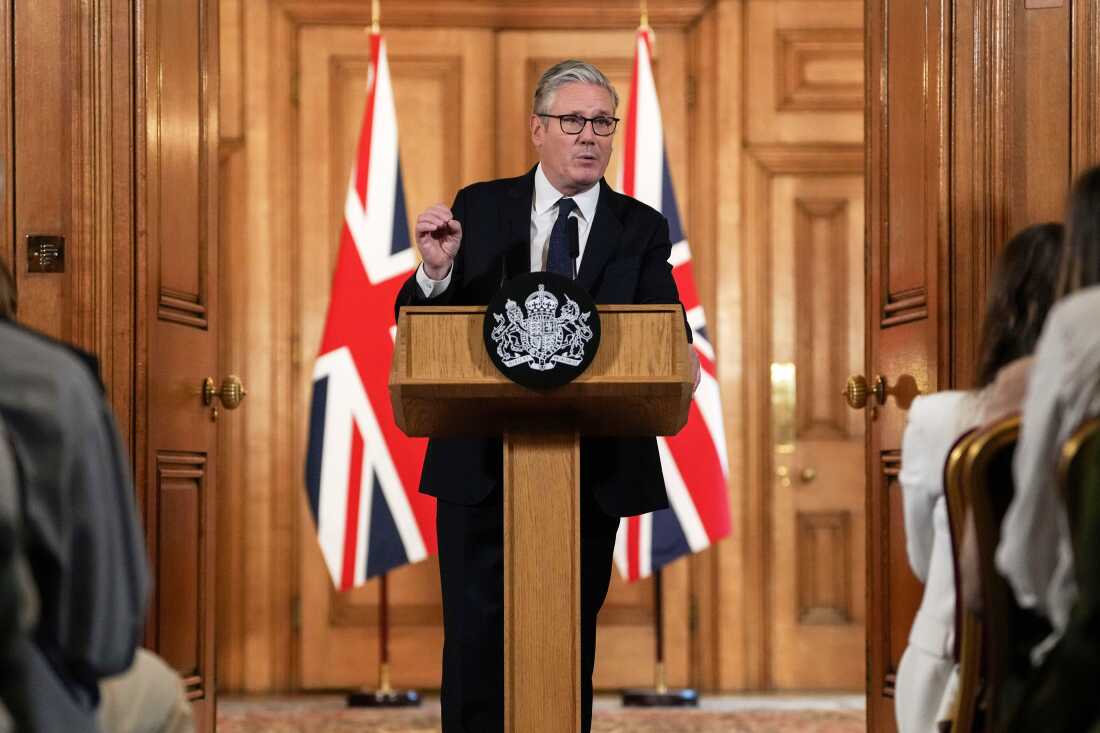
The UK’s regulation of big tech has reached a sudden and unexpected turning point. Sir Keir Starmer’s announcement on Monday of a proposed social media ban for children under 16 by next spring marks a sharp departure from previous policy. For a long time, the prospect of restricting the tech industry’s access to children in this manner seemed highly unlikely, but a crunch moment has arrived sooner than expected.
Historically, the government’s approach was timid. Only eighteen months ago, ministers sided with Ofcom in a row over the implementation of the Online Safety Act. Despite arguments from groups including 5Rights that companies should be made accountable for harm reduction and obliged to follow new rules, the government seemed determined to stay on the right side of big tech and Donald Trump for a mixture of economic and political reasons. That approach has now changed.
A 48-page statement from the Department for Science, Innovation and Technology makes a broad case about children’s wellbeing that goes beyond warnings about inappropriate content. It points to the amount of time children spend online instead of sleeping, alongside concerns about bullying, child sexual abuse, livestreams, inappropriate use of AI chatbots, and messaging functions that enable "stranger communication." This shift is backed by a UK-wide consultation in which just 11% of parents said that the benefits of social media outweighed the risks, emboldening ministers to reset norms alongside Australia, which introduced a similar ban.

The enforcement of these proposals introduces significant technical and privacy questions. Ofcom has been tasked with working out "highly effective age assurance" that protects privacy, an issue that remains controversial because age verification carries implications for adults who may have to upload documents to prove who they are. Furthermore, Sir Keir committed to compulsory nudity-detection on all devices by September if Apple and Google do not come up with a software fix to protect children.
While campaigners like Beeban Kidron, author of the book "Users: How Big Tech Took Control and How to Fight Back," argue that protecting children from behavioural manipulation could lead to a wider reining in of tech’s outsize influence, there is scepticism too about the latest actions. Sceptics, including Ian Russell who set up the Molly Rose, are watching how these proposals will be implemented, especially with screen-time guidance for children aged five and over on the way, and whether a ban will actually come in next spring or be left to an eventual successor.