M-PESA’s next act begins where banks still fall short: lending
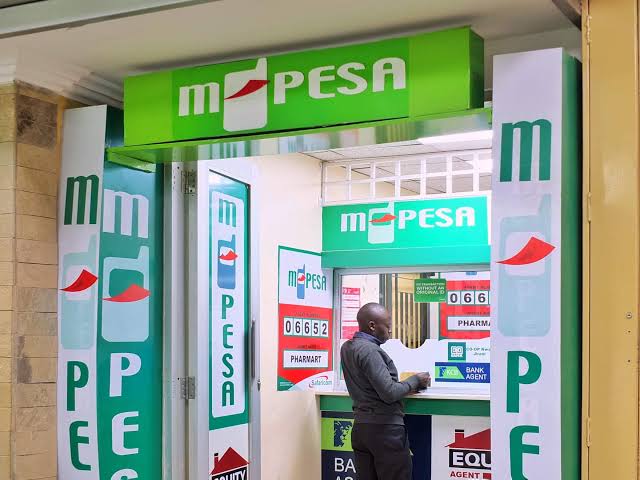
Nearly two decades after revolutionizing how Kenyans pay, save, and transfer money, M-PESA, the mobile money service owned by telco giant Safaricom, is pivoting its considerable might towards a more elusive challenge: lending. Having initially solved the fundamental problem of moving money, Safaricom now believes the tougher, yet potentially more impactful, frontier lies in democratizing access to credit, particularly for a segment consistently underserved by traditional financial institutions.
The strategic shift is not born of abstract market ambition but rather a stark recognition of a pervasive economic bottleneck. Peter Gichangi, Safaricom’s head of Super Apps, articulated this with stark clarity on the Voices & Visions podcast, noting, “There is pain. There is real pain.” This pain point refers to millions of small businesses and households across Kenya pushed towards expensive digital loans and informal shylock arrangements, largely because established banks remain reluctant to lend beyond a narrow cohort of established, low-risk borrowers. With over 30 million customers on its digital payments platform, M-PESA is now poised to leverage this vast network, hoping to replicate its payments playbook in the credit market.
Despite Kenya's reputation as one of Africa’s digitally connected financial markets, access to affordable business credit remains critically limited. Small and medium-sized enterprises (SMEs), which astonishingly account for more than 90% of businesses and employ millions, consistently flag financing as a principal constraint. The root of the problem often lies in their operational realities: many operate without audited financial statements, formal collateral, or extensive banking histories, rendering them largely opaque and thus "too risky" for traditional lenders to assess.

While the past two years have seen a cautious recovery in lending, the underlying issues persist. Private sector credit growth did recover from a contraction of 2.9% in January 2025 to 8.1% in March 2026, and average commercial lending rates have softened to approximately 14.7% from 17.2% in late 2024. However, banks continue to grapple with a rising non-performing loan (NPL) ratio, which stood at 15.6% in March. This elevated risk profile makes lenders highly selective, creating the precise vacuum that M-PESA aims to fill.
Andrew Mutha, chief executive of Safaricom Money Transfer Services, succinctly captured the market's paradox: “The demand for money is there… Banks are saying, ‘Look, you’re too risky.’ There’s a digital lender somewhere who is willing to give you.” This exposes the dual challenge of unmet demand and the proliferation of high-cost alternatives. M-PESA's potential entry, especially if it can secure partners from Europe or elsewhere to provide “accessible, affordable credit,” could fundamentally alter this dynamic, offering a scalable, data-driven approach to risk assessment that traditional models struggle with.
This strategic pivot by Safaricom is not merely an expansion but a potential redefinition of financial inclusion in Kenya. By targeting the structural gaps in credit provision for SMEs and households, M-PESA aims to unlock significant economic potential. For the numerous small service providers, often operating within the informal sector, the 'fundis' and tradespeople who form the backbone of platforms like SErraND | Plug Wa Kazi, affordable credit can be the difference between stagnation and growth. Such capital could allow them to invest in tools, materials, and training, enhancing their service delivery and expanding their reach beyond their immediate networks. M-PESA's move suggests an understanding that true digital economy growth is not just about payments, but about empowering economic actors with the capital they need to thrive.
Safaricom's venture into lending marks a bold progression for M-PESA, moving beyond its foundational role as a payments rail to become a more comprehensive financial intermediary. The success of this endeavor hinges on its ability to navigate the inherent risks of lending while sustaining its promise of accessibility and affordability. If successful, M-PESA could not only alleviate the "real pain" of credit scarcity but also catalyze substantial economic activity across Kenya’s vital small business sector.